
 29 Jan 2026
  2 min read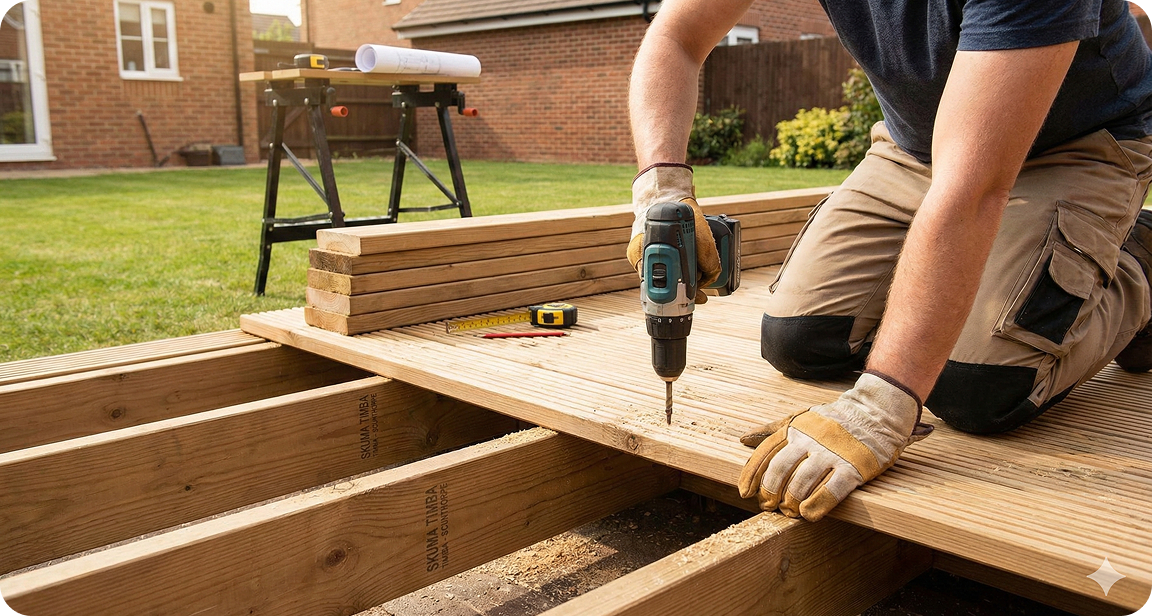

 Richard
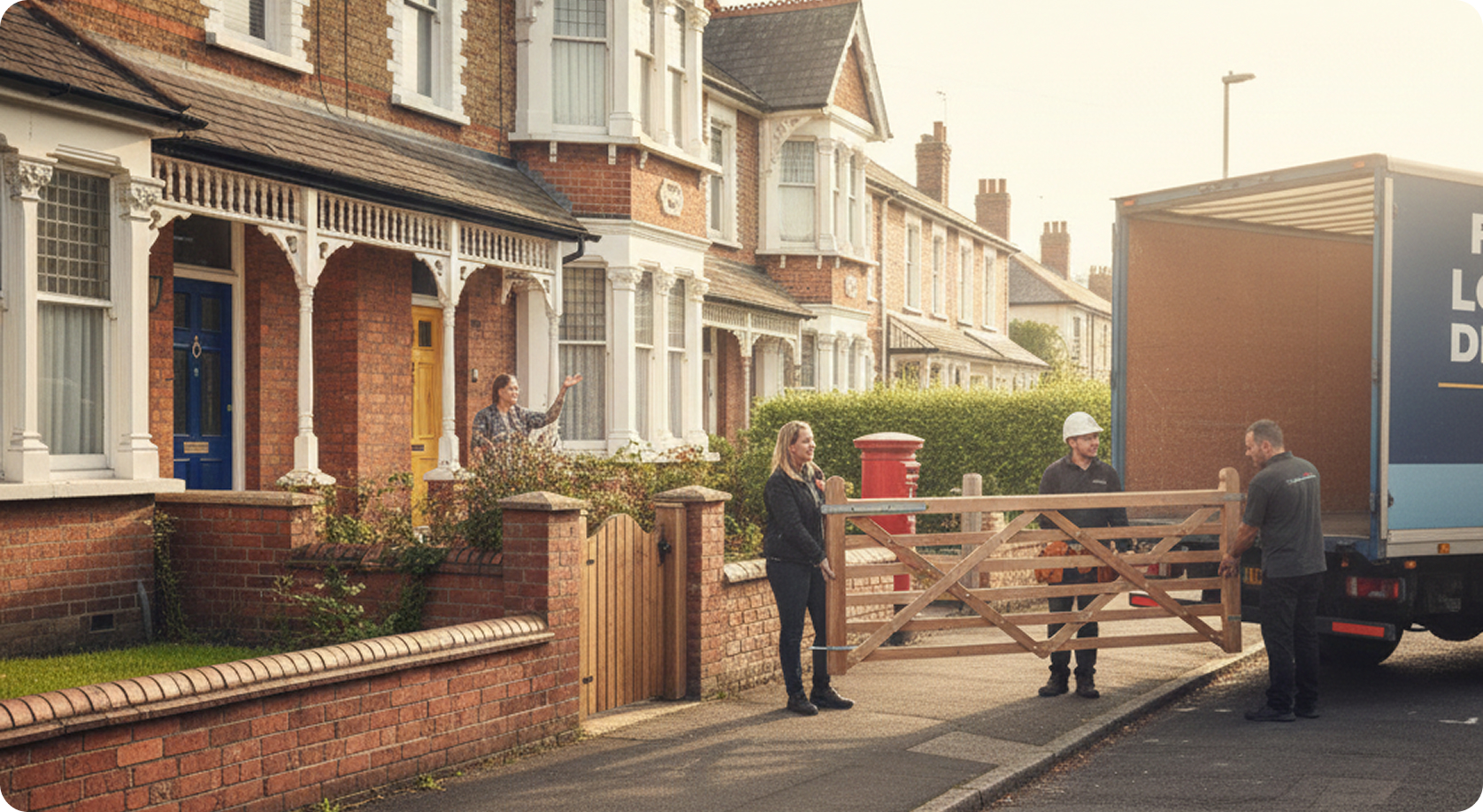
1. Using Interior Timber Outside (and Vice Versa)
It sounds obvious, but this is the number one reason garden projects rot within a year.
- The Mistake: Using untreated “white wood” (often used for internal stud walls) for a garden planter or fence repair because it looked cheaper on the shelf.
- The Fix: If it’s going outside, it must be pressure treated (often called “green treated” or “tanalised”). This treatment protects the wood from rot, fungi, and insects. Conversely, don’t use rough, wet treated timber for fine internal joinery—it will shrink and warp as it dries out in your warm house.
2. Ignoring the “Cut Ends”
You’ve bought the right pressure-treated timber for your fence posts. You cut them to size. You stick them in the ground. Two years later, they are rotting from the top down. Why?
- The Mistake: When you cut treated timber, you break the chemical seal, exposing the raw, untreated wood inside to the rain.
- The Fix: Always have a tin of End Grain Preservative handy. It takes ten seconds to brush onto any cut ends, sealing them back up against the elements. It’s a small step that adds years to the life of your timber.
3. Confusing C16 with C24 (Structural Grading)
If you are building a stud wall, it doesn’t matter too much. But if you are building a roof, a floor, or decking joists, the strength of the wood matters.
- The Mistake: Using timber that isn’t strong enough for the load it needs to carry.
- The Fix: Look for the stamp. Construction timber is usually graded C16 (standard strength) or C24 (higher strength, fewer knots). For heavy-duty structural work, you often need C24. If you aren’t sure what your project needs, just ask us at the counter—we can point you to the right stack.
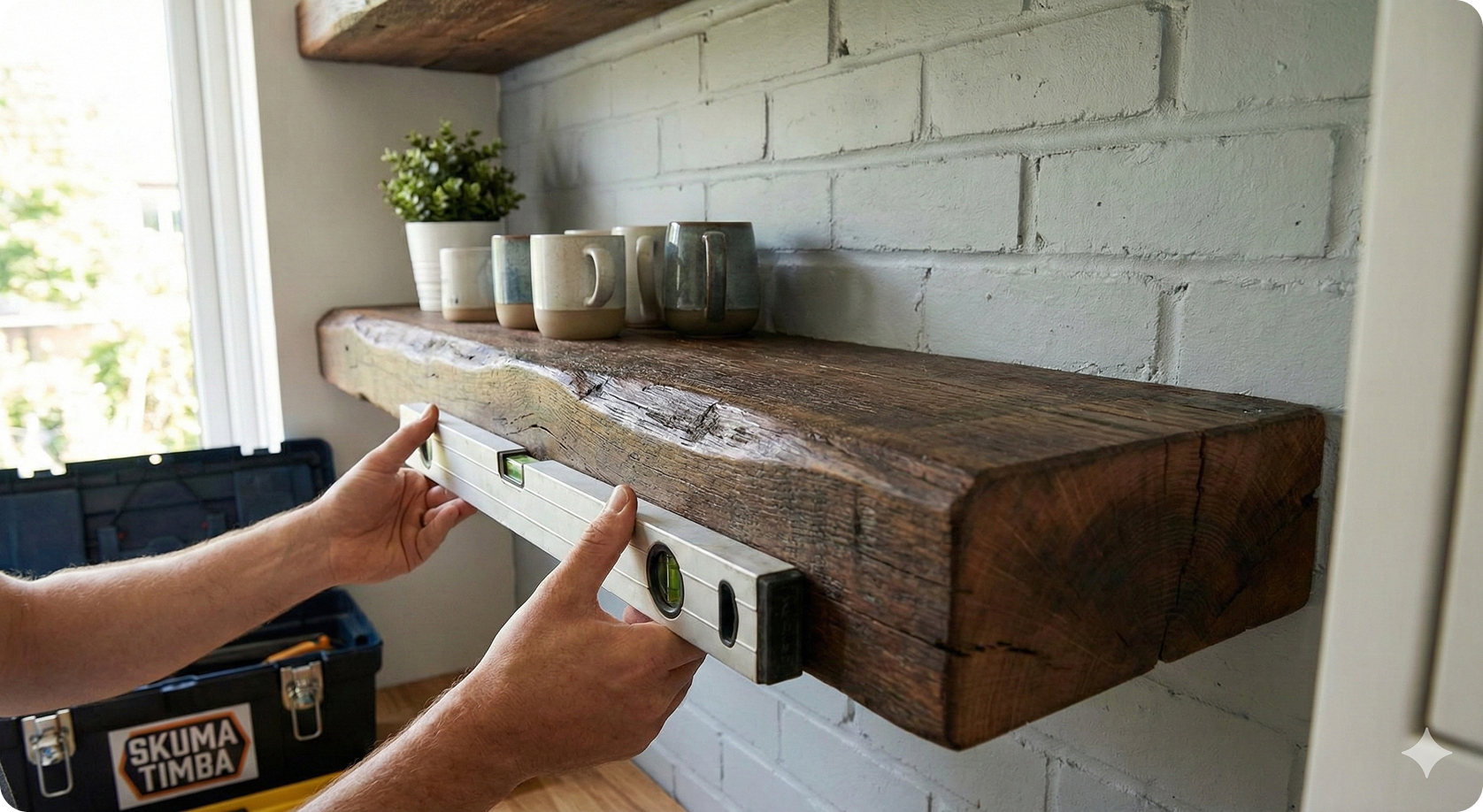
4. Skimping on the Fixings
You’ve spent £500 on beautiful timber, and £5 on a box of cheap screws.
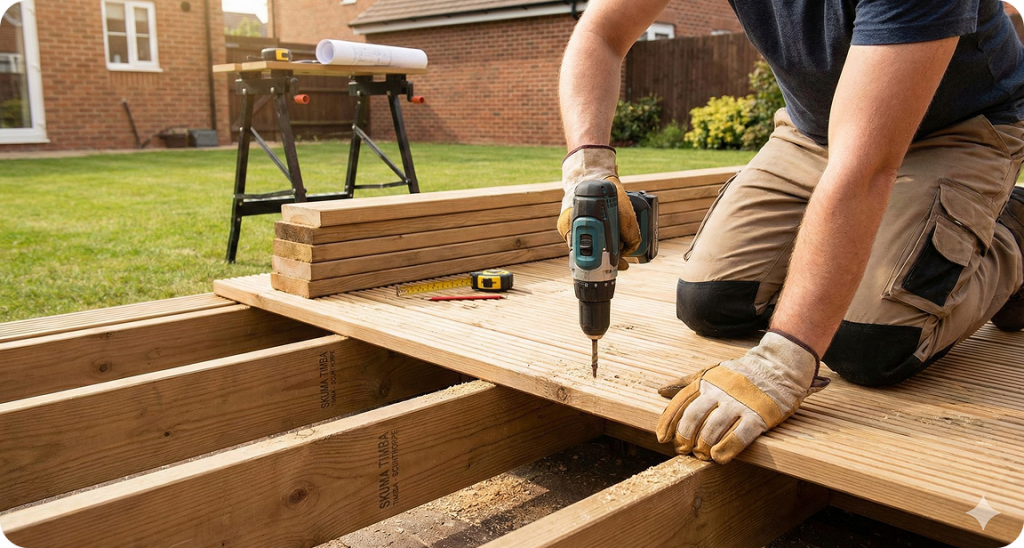
- The Mistake: Using internal (zinc or black phosphate) screws for external jobs. They will rust quickly, leaving ugly brown streaks down your new wood, and eventually, they will snap.
- The Fix: For outdoor jobs, always use stainless steel or coated decking screws. They resist corrosion and will likely outlast the wood itself.